Remembrance Far From Home: An Unexpected Visit to Fajara War Cemetery
An unplanned stop at a Commonwealth war cemetery in The Gambia, and why remembrance still matters more than eight decades on.

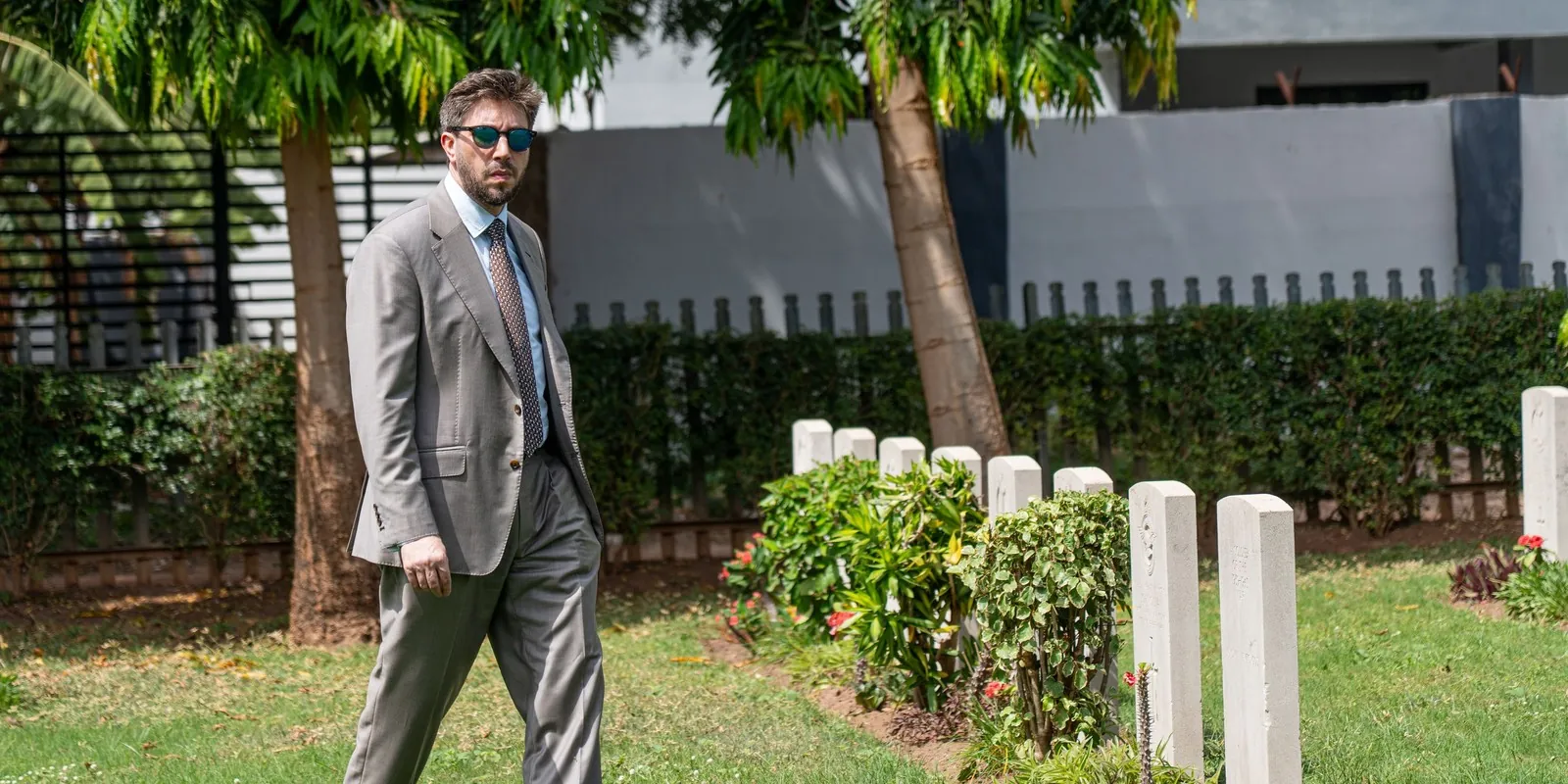
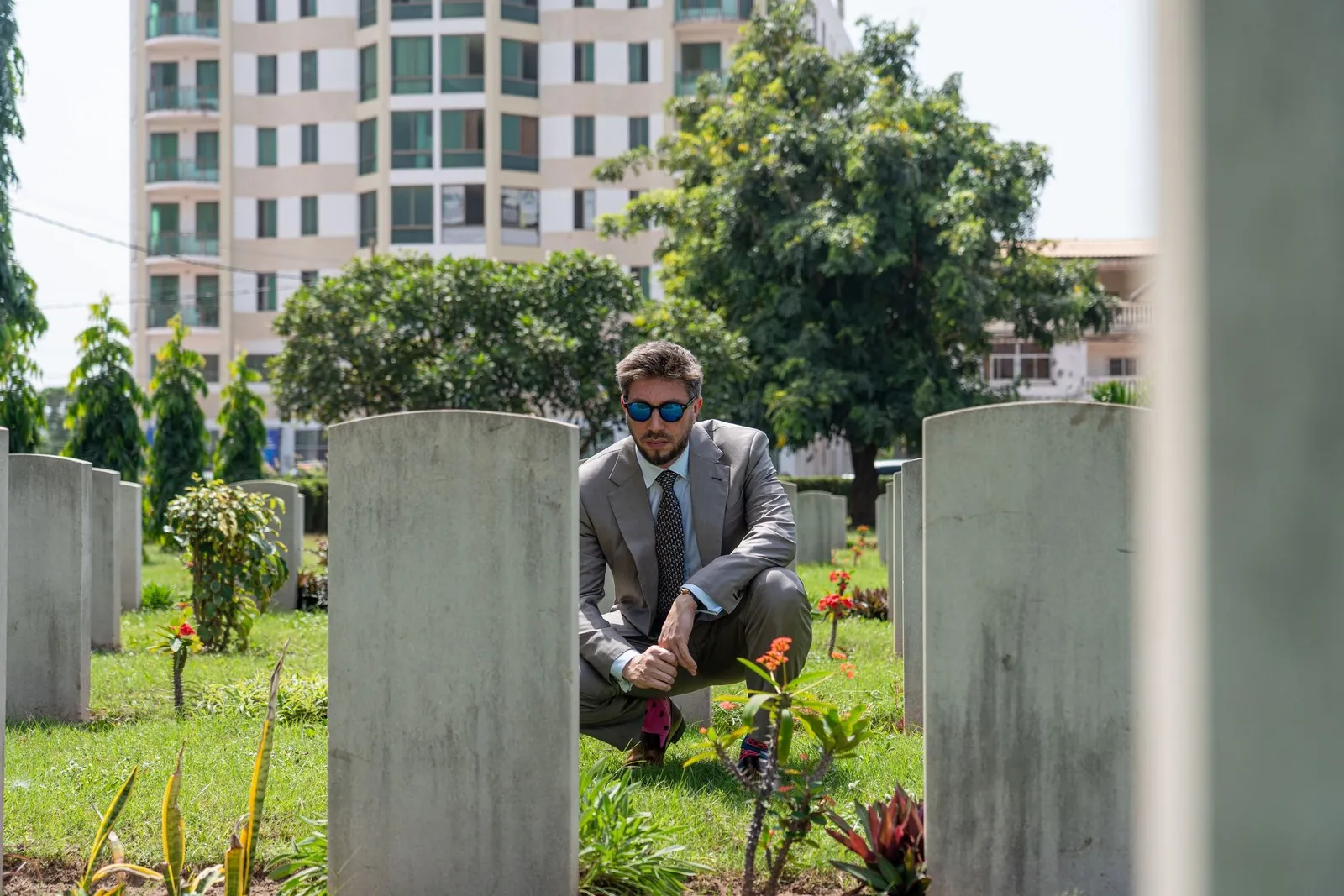
On a recent business trip to The Gambia, an unexpected visit to a Commonwealth war cemetery left me thinking about my family, the sacrifices of previous generations and how easily we take our freedoms for granted.
With Remembrance Day approaching, I realised I had forgotten my poppy. Later, driving past Fajara War Cemetery, I decided to stop. I have always been fascinated by military history, particularly the Second World War, but had never really associated the familiar battlefields of Europe with the quiet graves of West Africa.
A Forgotten Part of the War
We remember Dunkirk, the Battle of Britain and Normandy. Few of us think about The Gambia.
Yet Bathurst, now Banjul, was an important Allied naval and aviation base, supporting Atlantic shipping and aircraft operations along the West African coast.
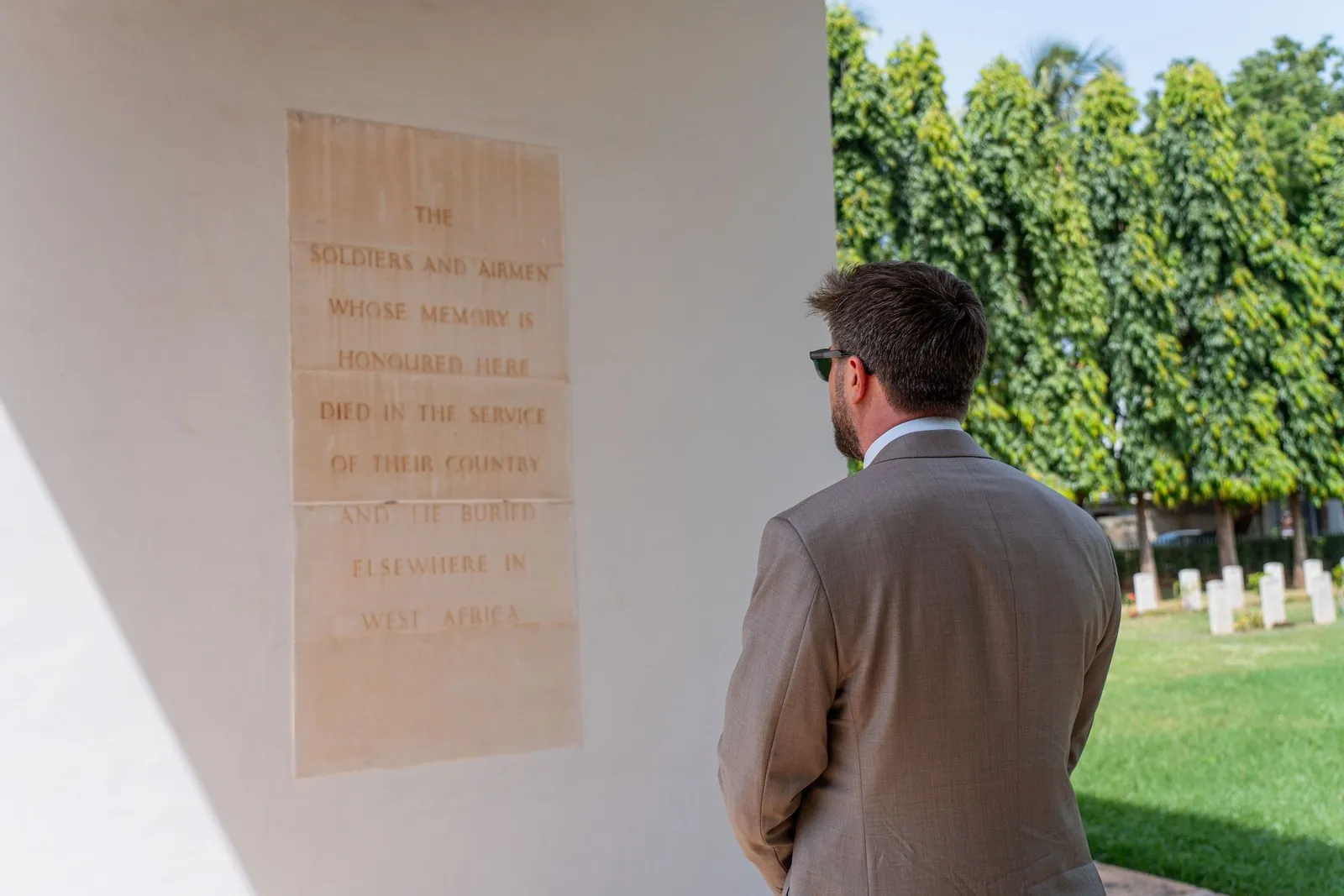
Fajara contains 203 Commonwealth burials from the Second World War. British, Canadian, Australian, New Zealand and African servicemen lie there, including Christians, Jews and Muslims. Different backgrounds and faiths, but all serving in the same war.
Walking between the headstones, I began reading their names and ages. Suddenly, the war felt rather less like history.
Young Men Who Never Came Home
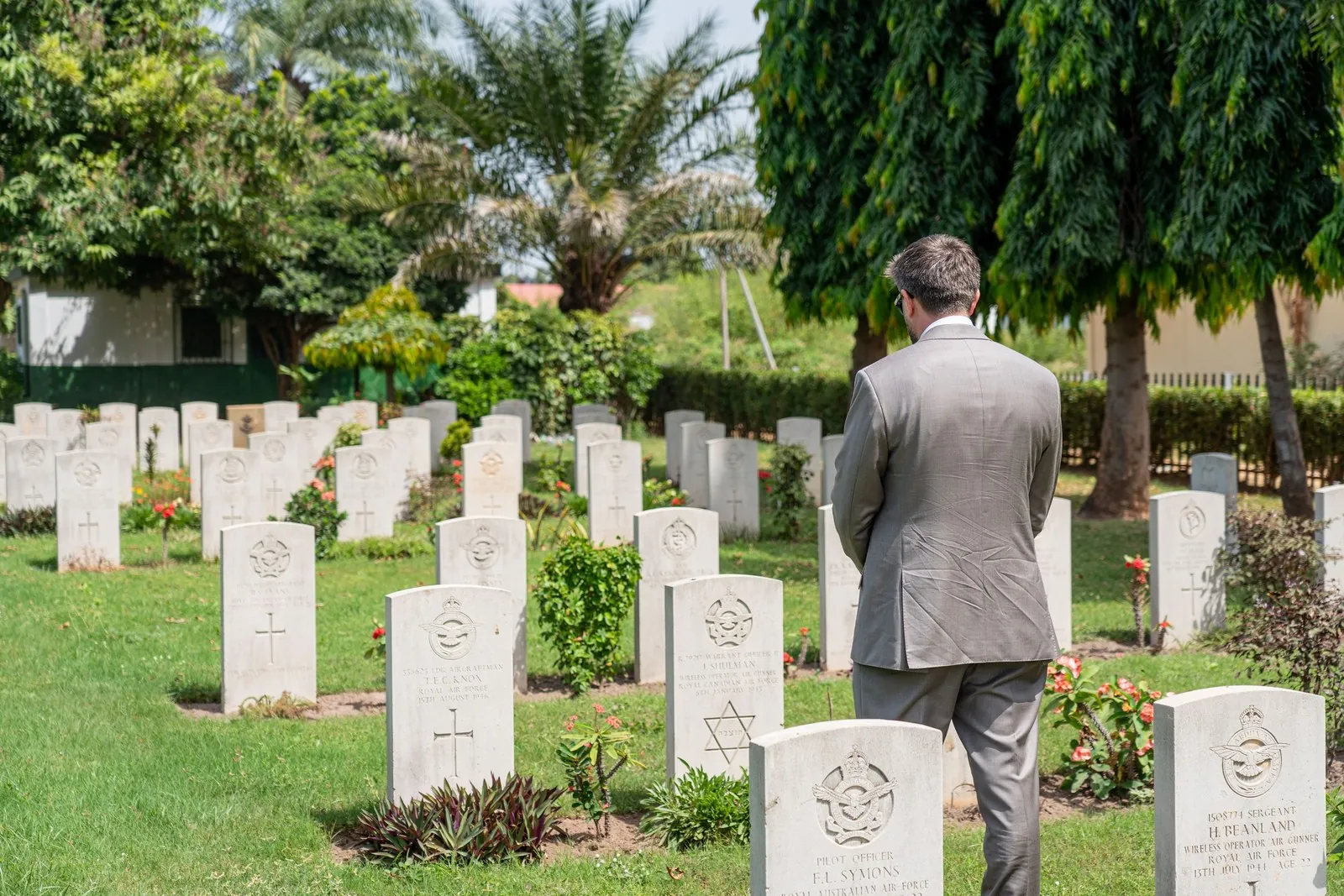
One grave belongs to Joe Shulman, a Canadian airman serving with RAF 200 Squadron. On 6 January 1943, his Lockheed Hudson crashed shortly after take-off near Fajara Beach. All four Canadian crewmen died.
Another belongs to Sergeant Henry Beanland, a 22-year-old RAF airman from Yorkshire. He was killed on 13 July 1944 when a Sunderland flying boat crashed into the sea during take-off. Henry was married. His wife, Mary Betty, faced the rest of her life without him.
At such young ages, most of us assume life is only beginning. There are careers to pursue, families to raise and countless plans for the future. They both never had that chance.
The cemetery also honours men of the Gambia Regiment, part of the Royal West African Frontier Force, whose contribution to the war, including the campaign against Japan in Burma, deserves far greater recognition. One headstone that stood out was Private Suso Walli, his headstone in Arabic reminded that three faiths, different countries, one shared duty. Their sacrifices deserve to be remembered together.
The Generations That Survived
Perhaps inevitably, my thoughts turned to my own family.
Both my grandfathers served during the Second World War, while my great-grandfather fought in the trenches of the First. All survived and returned home.
I owe my existence to that extraordinary good fortune. Had any of them been killed, my family might never have existed as it does today. My children, and perhaps generations still to come, are here because those men survived.
Standing among the graves, I thought about the families who were not so fortunate. The marriages cut short, the children never born and the lives that might have been.
I am now in my forties. Many of the men buried around me were barely half my age.
That thought was difficult to shake.
Who Still Visits Their Graves?
Something else troubled me. How many of these men have ever had a relative visit their grave? Travelling from Britain or Canada to The Gambia would have been an enormous undertaking in the 1940s. Even today, I wonder how often families make that journey.
It made me appreciate the Commonwealth War Graves Commission all the more.
Fajara is beautifully maintained. The headstones are immaculate, the grass carefully cut and the gardens tended with obvious pride. The local staff deserve enormous credit. More than eighty years later, they continue caring for men whose families may live thousands of miles away.
They ensure these graves are neither neglected nor forgotten.
Why Remembrance Matters
I left Fajara thinking about the poppy I had forgotten.
Each November, we observe two minutes' silence and promise to remember those who died. But remembrance means more when we stop to consider the individual lives behind those familiar words.
I have always found the closing scenes of Saving Private Ryan particularly moving. The surviving soldier is told, "Earn this." Those words came back to me at Fajara.
We cannot repay these men. We can, however, honour their service and try to live lives worthy of the freedoms they helped secure.
This Remembrance Day, wherever you are, spare a thought for those who never came home, particularly those resting far from their families.
As Laurence Binyon wrote in For the Fallen:
They shall grow not old, as we that are left grow old:
Age shall not weary them, nor the years condemn.
At the going down of the sun and in the morning
We will remember them.
Daniel Seal
Daniel Seal is a British entrepreneur and investor based in London, Founder and Executive Chairman of Azora Resources and Managing Partner of DeltaWorks. He co-founded Unbound, which he sold in 2018 to SingEx, a wholly owned subsidiary of Temasek Holdings, the investment company of the Government of Singapore.