Africa’s Future Depends on More Than Minerals. It Starts with Food.
Africa’s mineral wealth draws the headlines, but its future depends on feeding its people. A visit to The Gambia, and the case for making fertiliser locally.

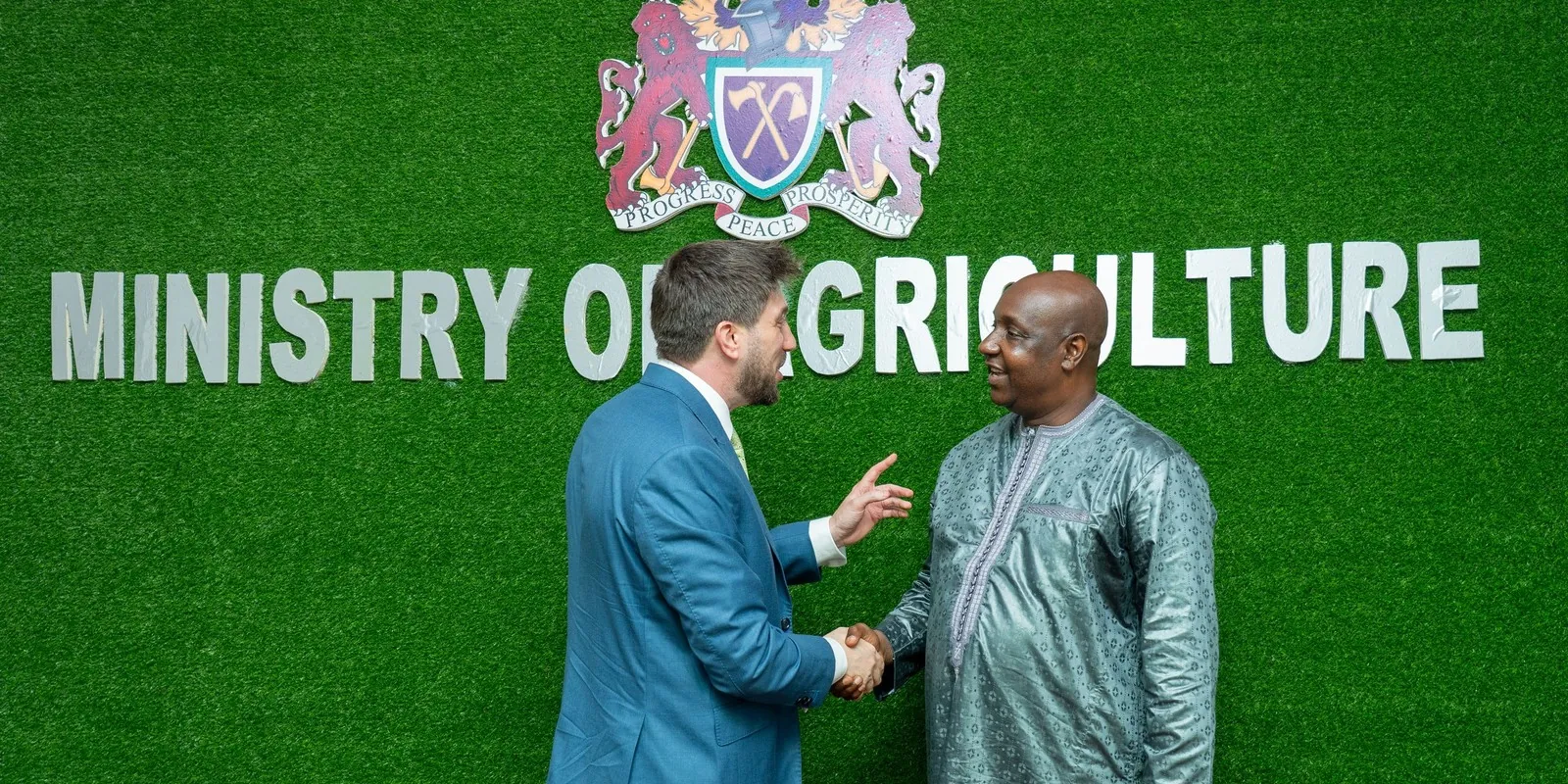
In brief
- West Africa’s dependence on imported fertiliser threatens food security, agricultural productivity and economic independence.
- Local fertiliser production will improve soil health, increase crop yield and develop a more competitive agricultural industry.
- Partnerships with African entrepreneurs, a trade not aid approach could strengthen food security and create lasting economic opportunities.
Africa's mineral wealth and rapidly growing population have attracted considerable international attention. With demand for critical minerals and strategic metals rising, the continent could become a major player in tomorrow's industries. Yet on a recent business trip to The Gambia, I was reminded of something rather more fundamental.
None of this potential can be fully realised if Africa cannot feed its own people. Affordable fertilisers, healthy soil and productive agriculture are just as important to the continent's economic future as the minerals beneath its surface.
Food Security Is National Security
Thomas Sankara, Burkina Faso's former leader, is often credited with saying, "He who feeds you, controls you." Four decades later, his warning remains relevant.
According to the United Nations, West Africa's population reached approximately 467 million in 2025. Agriculture employs nearly 39% of its workforce, yet farmers struggle with depleted soils, inadequate infrastructure and expensive agricultural inputs.
The International Fertilizer Development Centre estimates that around 90% of fertiliser used across West Africa is imported, with application rates averaging just 20 kilograms per hectare, among the lowest globally.
Consider what happens to a farmer when shipping costs rise, currencies weaken or conflict disrupts supplies. Fertiliser becomes more expensive before a seed is planted. Farmers apply less, harvests suffer and families face higher food prices.
For a region approaching half a billion people, such dependence is a serious economic vulnerability. It also represents a considerable commercial opportunity.
It Starts With the Soil
Increasing agricultural productivity requires more than simply applying fertiliser. Years of cultivation have depleted many soils of the organic matter needed to retain moisture and nutrients.
Mineral fertilisers remain essential, but organic inputs matter too. Research highlighted by the Food and Agriculture Organization demonstrates the advantages of combining both, improving soil health while providing crops with the nutrients needed for stronger yields.

Agricultural waste and biomass, often discarded, could become valuable raw materials.
What interests me is the opportunity to manufacture these products locally, at prices farmers can afford, rather than continuing to rely almost entirely on imports.
An Opportunity Taking Shape in The Gambia
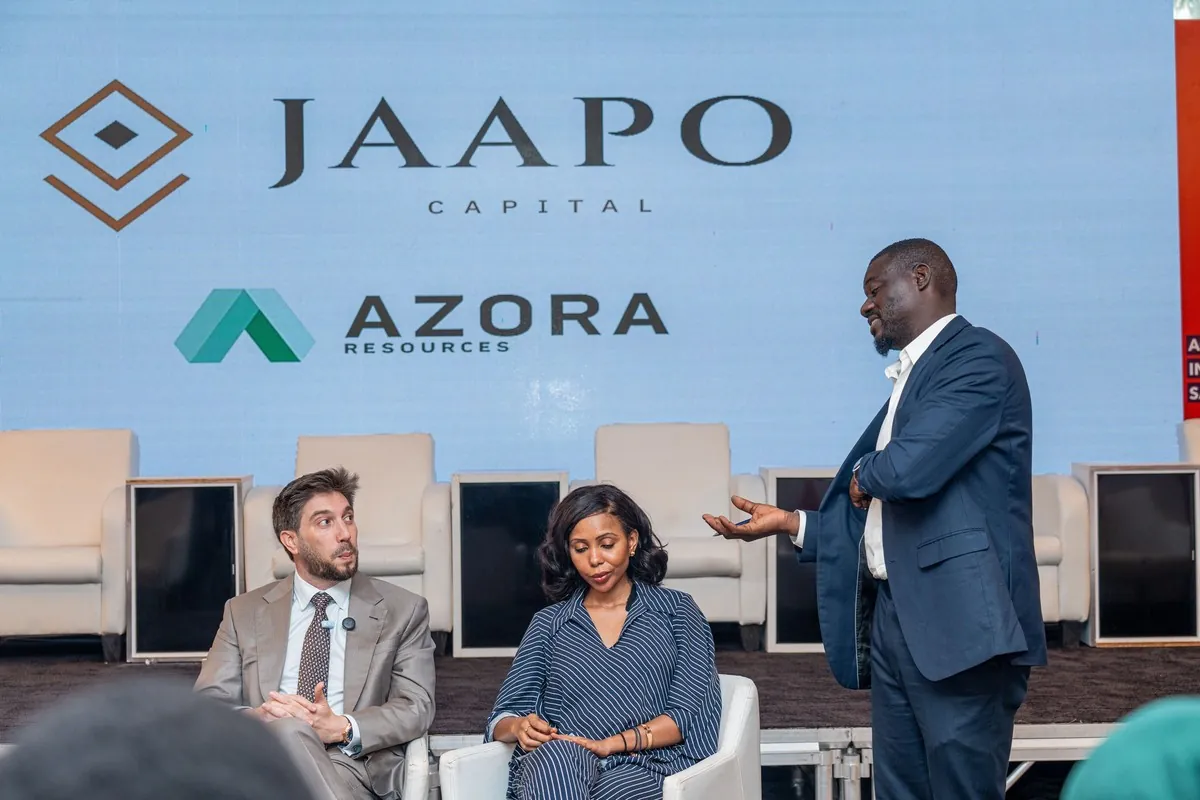
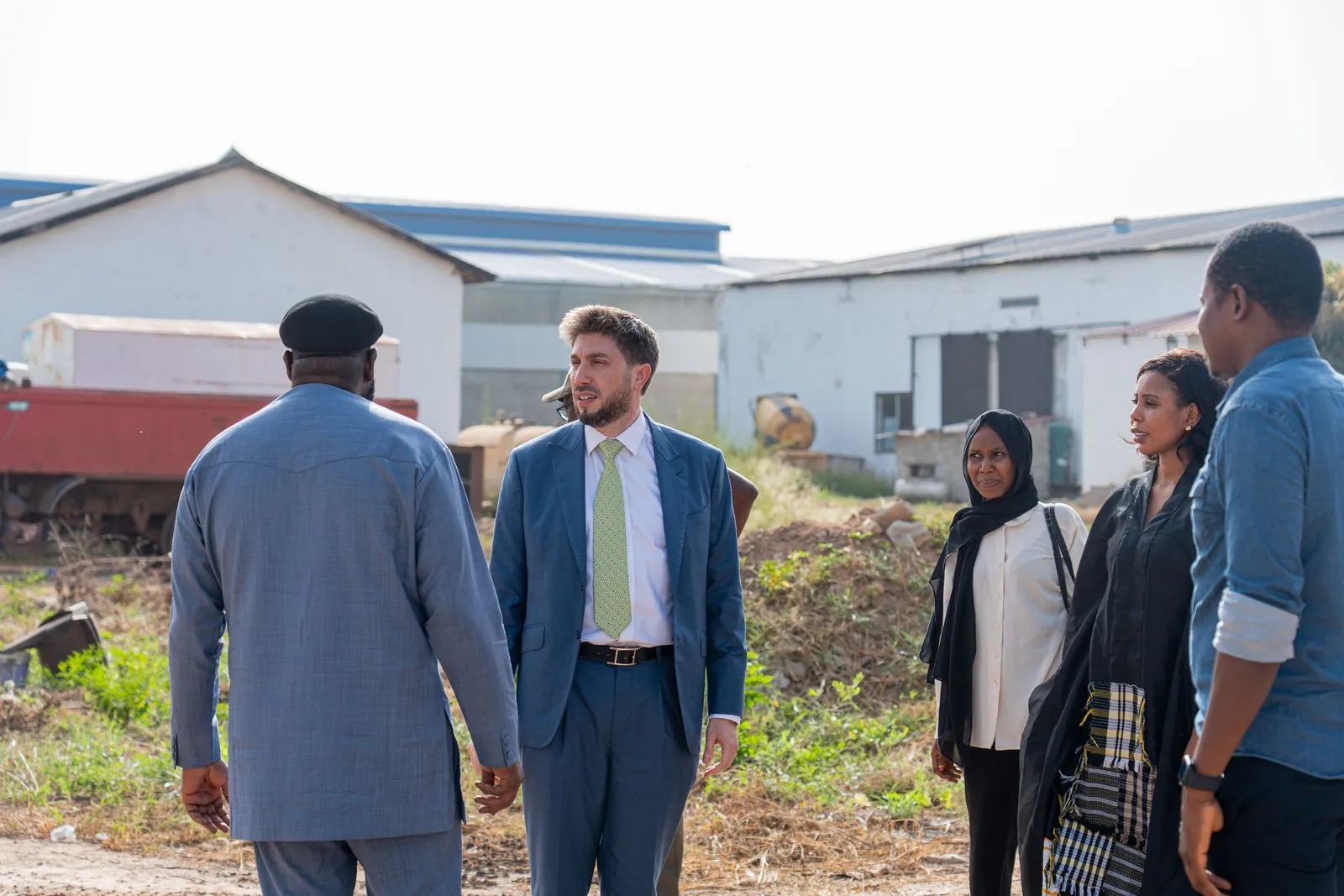
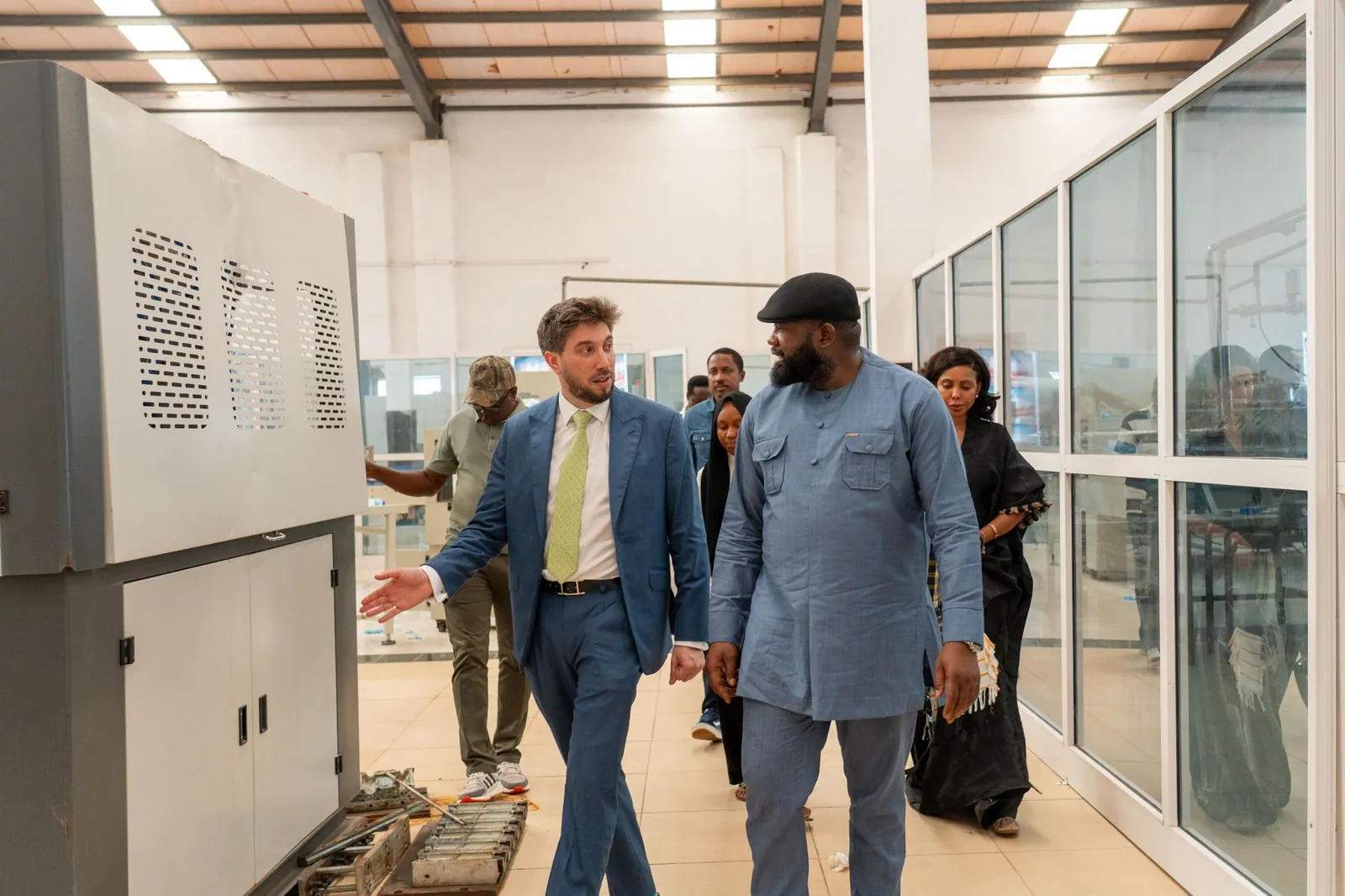
My recent visit was to advance my proposed investment in Faro Fertilisers and Jaapo Capital.

I have known Jaha Dukureh for years. She is determined, commercially minded and has assembled an impressive local team. Following months of examining the technology, market and business model, we have signed a memorandum of understanding to explore a strategic investment, subject to further assessments and definitive agreements.
I have always preferred backing entrepreneurs who understand their markets. They know what customers can afford, the difficulties of distribution and why an idea that sounds excellent in a boardroom does not necessarily work on a farm.
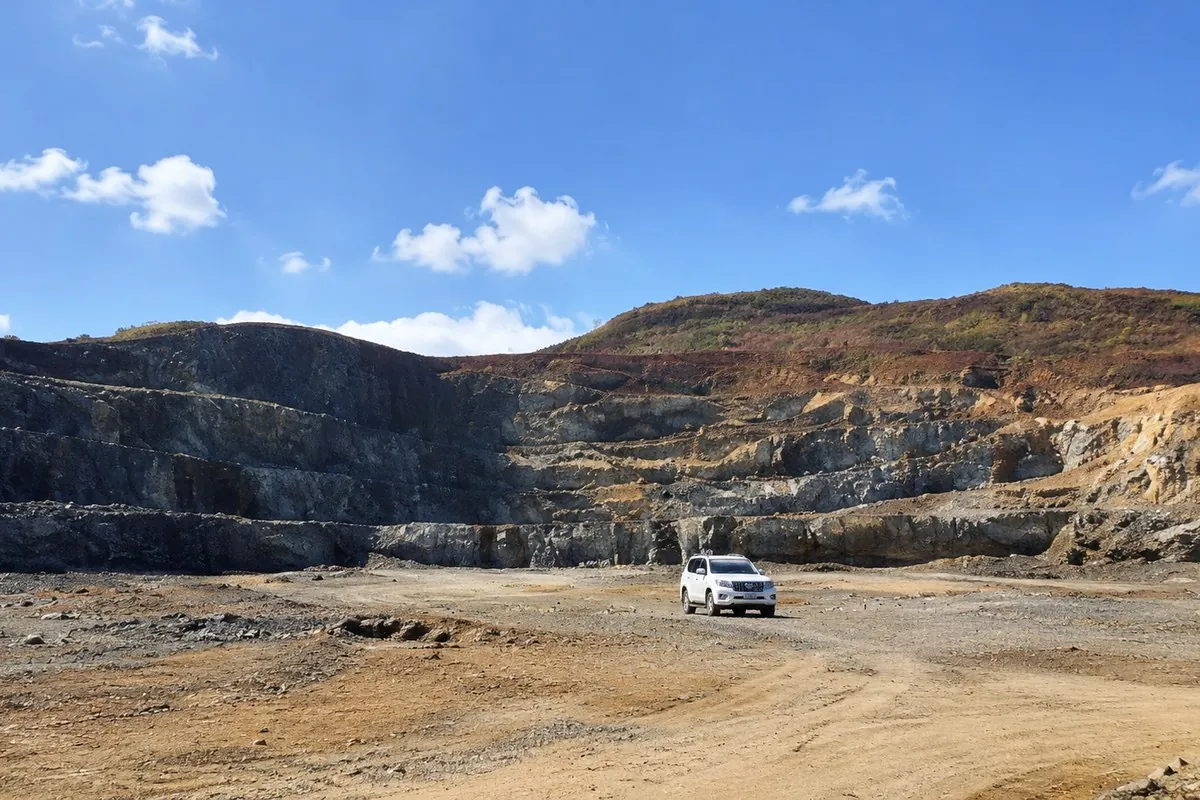
The proposed business draws on technology and expertise from Britain, Australia and the United States, including a proprietary biological catalyst designed to convert food waste and biomass into organic soil amendments. Combined with mineral nutrients, potentially including phosphate from our commodity networks, the aim is to produce affordable fertilisers suited to local conditions.
The commercial potential is considerable, but field trials, production costs and farmers' results will ultimately determine success.
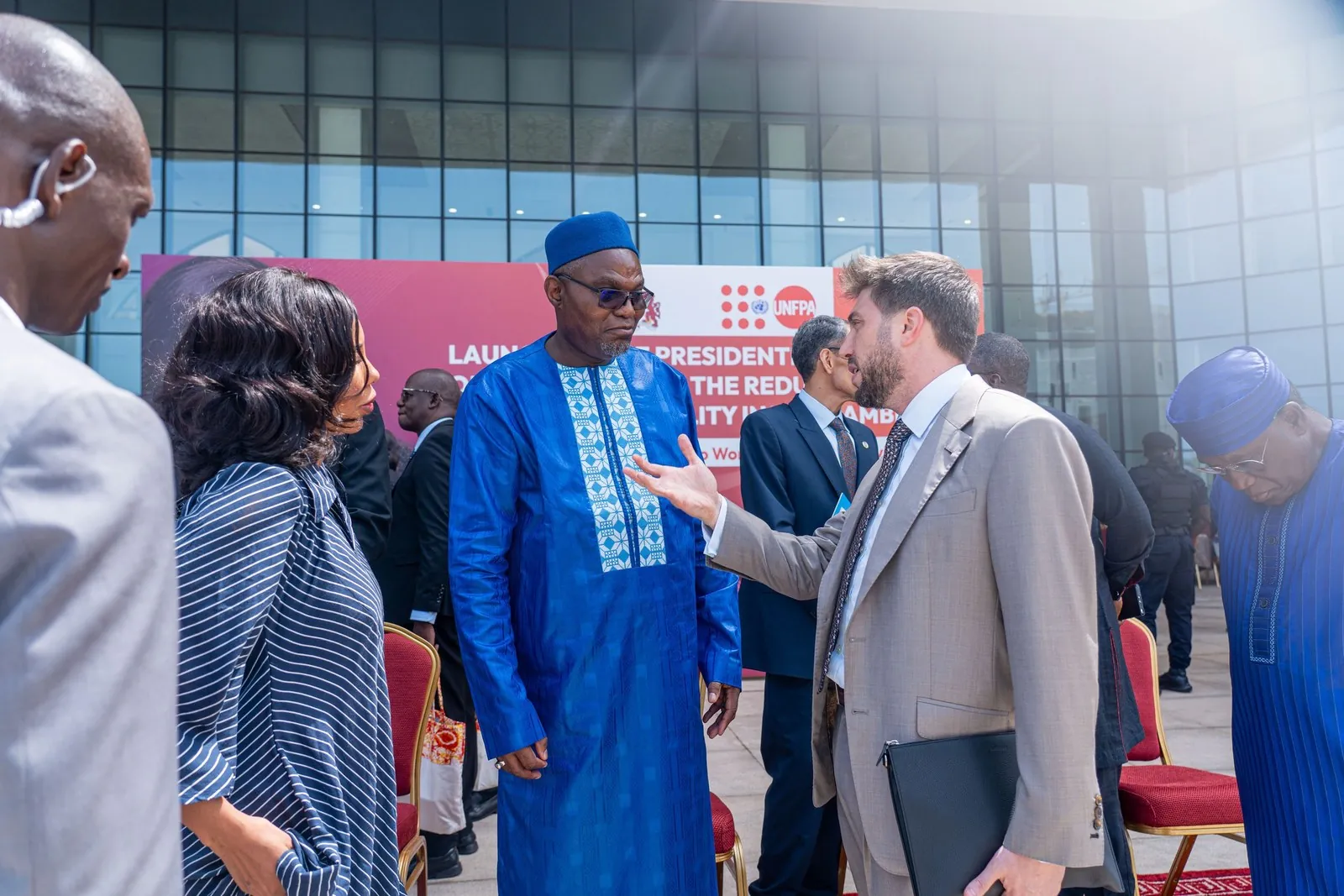
During the visit, we also met with The Gambia's Vice President and Minister of Agriculture. Their encouragement was welcome, although government support alone does not build successful businesses. That responsibility rests with entrepreneurs, investors and management.
The proposed partnership has also attracted local media coverage, reflecting growing interest in domestic fertiliser production.
What 100,000 Tonnes Could Mean
Our ambition is to supply more than 100,000 tonnes of fertiliser over the next 24 months, subject to securing investment, production capacity and sufficient demand.
At an application rate of 200 kilograms per hectare, this could support approximately 500,000 hectares of farmland. Even a modest improvement in grain yields of half a tonne per hectare could produce an additional 250,000 tonnes of food, improving food security, supporting farmers' livelihoods and reducing dependence on imports.
Local production would also create opportunities in manufacturing, transport, distribution and agricultural services, keeping more economic value within the region.
Trade, Not Aid
I have long argued that Britain needs to rethink its relationship with Africa, moving beyond development assistance towards trade, investment and lasting commercial partnerships.
Agriculture should be central to that ambition. West Africa has land, entrepreneurs and growing demand. With better access to capital, technology and infrastructure, it can develop competitive businesses supplying markets across the continent.
I remain convinced that critical minerals will help shape tomorrow's industries. But my visit to The Gambia reinforced something easily overlooked: prosperity depends on more than mineral wealth and technology.
It requires productive land, affordable food and people earning a decent living.
Africa's future will depend not only on what it extracts from the ground, but on what it can grow from it.
Daniel Seal
Daniel Seal is a British entrepreneur and investor based in London, Founder and Executive Chairman of Azora Resources and Managing Partner of DeltaWorks. He co-founded Unbound, which he sold in 2018 to SingEx, a wholly owned subsidiary of Temasek Holdings, the investment company of the Government of Singapore.